
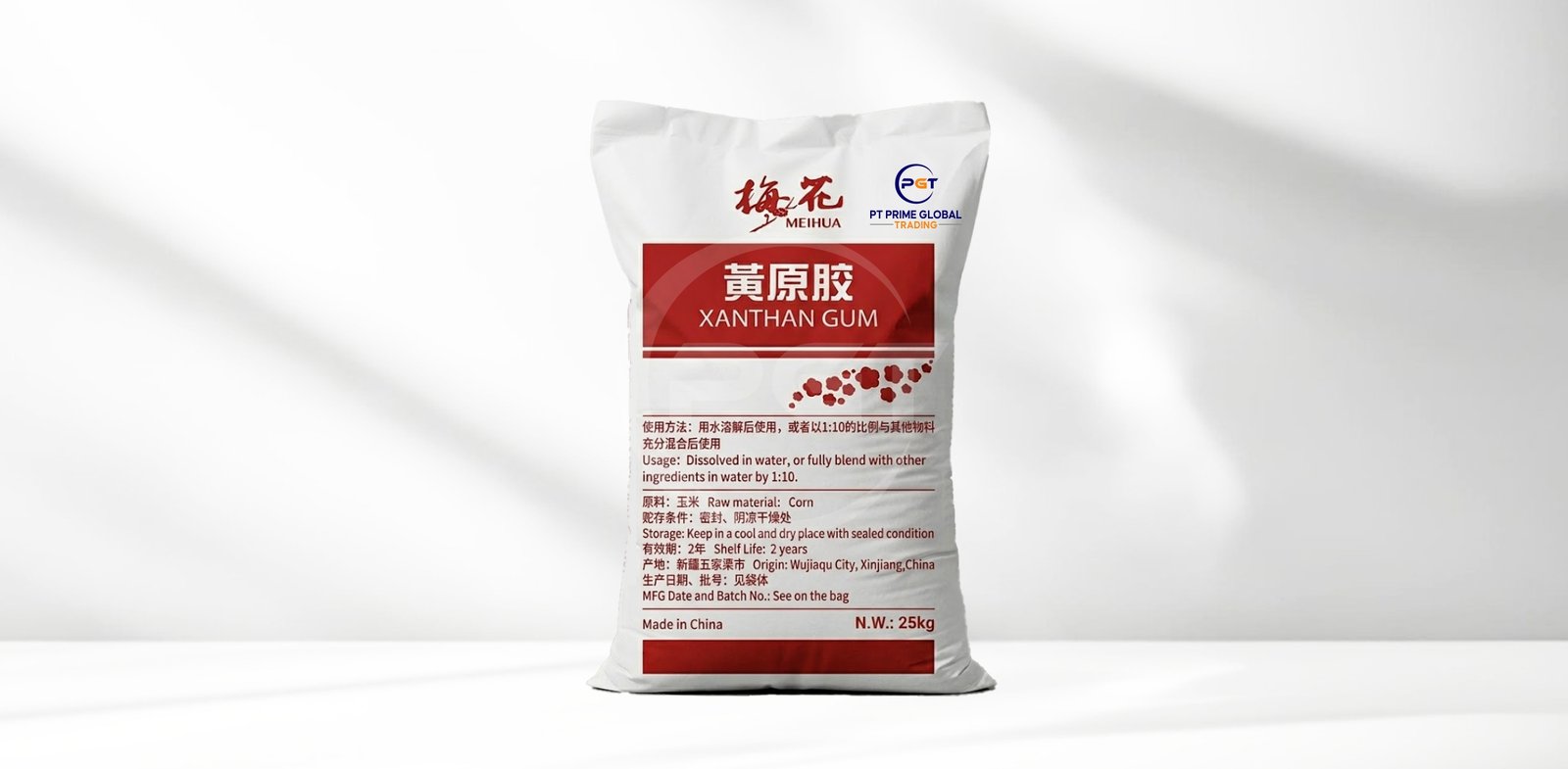
The Science of Stability: Why Xanthan Gum is Indispensable to Modern Manufacturing
Look at the ingredient label of your favorite salad dressing, a premium gluten-free bakery mix, or even a heavy-duty bottle of automotive polish. Chances are high that you will spot a hardworking hydrocolloid (a substance that forms a gel with water) near the bottom: Xanthan Gum.
Despite its complex-sounding chemical name, Xanthan Gum is a naturally derived ingredient that has fundamentally revolutionized how modern product formulators handle texture, fluid mechanics, and long-term emulsion shelf life. For food processors and industrial manufacturing leads looking to scale production, understanding how to secure and utilize this versatile polymer is key to product success.
What is Xanthan Gum and How is it Made?
Xanthan Gum is a high-molecular-weight polysaccharide. It is produced through the aerobic fermentation of simple carbohydrates (typically glucose or sucrose derived from corn, soy, or wheat) using a specific bacterium called Xanthomonas campestris.
Once the fermentation process is complete, the resulting broth is purified, precipitated using alcohol, dried, and ground into a fine, highly soluble powder.
When added to liquid formulations—even in microscopic quantities often under 1% by weight—it completely transforms fluid behavior, creating incredible thickness and reliable suspension properties.
The Secret Behind Its Magic: Pseudoplasticity
To understand why chemical procurement managers purchase Xanthan Gum in massive quantities, you have to understand its unique physical superpower: pseudoplasticity (commonly known as shear-thinning behavior).
This means that the fluid’s thickness changes dynamically based on physical force:
- At Rest: The molecules form a rigid network, keeping ingredients suspended uniformly without settling to the bottom.
- Under Shear (Shaking, Pouring, Pumping): The structural bonds temporarily drop away, causing the liquid to thin out instantly and flow smoothly.
- The Moment Pressure Stops: The liquid instantly snaps back to its original, stable, thick state.
Critical Applications: Food Grade vs. Industrial Grade
Because its physical traits are so effective, the market divides into two strictly segregated production lines depending on regulatory requirements.
1. Xanthan Gum Food Grade (Certified Safety)
In the food and beverage industry, consistency is everything. Consumers expect a product to look and taste exactly the same every time they take it off the supermarket shelf.
- Sauces & Dressings: It prevents oil and vinegar from separating while ensuring the sauce clings perfectly to food.
- Gluten-Free Baking: It replaces the binding, elastic properties of gluten, giving dough a structured, spongy texture that holds gas bubbles during proofing.
- Dairy Alternative Beverages: Keeps plant-based milks and syrups perfectly mixed without chalky sediment falling to the bottom.
2. Industrial Grade (Heavy Duty Performance)
Outside the kitchen, industrial-grade Xanthan Gum is prized for its extreme resilience against temperature spikes, harsh acids, and high salt concentrations.
- Oil & Gas Drilling: It is added directly to drilling muds to thicken the fluid, allowing it to lift heavy rock cuttings out of deep drill holes up to the surface.
- Paints & Coatings: Prevents pigments from clumping at the bottom of a storage can over long months on a warehouse shelf.
Sourcing Metrics That Matter for Procurement Officers
If you are a purchasing manager securing a bulk supply chain into a competitive production market like Indonesia, navigating grade quality is non-negotiable. Substandard lots often fail to hydrate properly, leaving gelatinous lumps that can clog up processing lines.
When vetting an international shipment or reading a Certificate of Analysis (COA), balance these three metrics:
- Mesh Size: Fine powder (e.g., 200 mesh) dissolves incredibly fast in rapid mixing tanks, while coarser options (80 mesh) are easier to handle without dusting issues.
- Regulatory Compliance: Food-grade varieties must strictly hold updated international quality verifications (such as FCC, USP/BP, Halal, or Kosher certifications) to safely clear local health customs.
- Viscosity Testing: Ensure the batch’s centipoise ($cP$) values perfectly match your processing machinery’s precise shear limits.
Secure Your Supply Chain with PT Prime Global Trading
In bulk food manufacturing and oilfield logistics, a delayed delivery container or an unverified chemical batch can cost your business thousands in lost downtime. You need a sourcing partner that values regulatory compliance and precise logistical timing as much as you do.
At PT Prime Global Trading, we manage the end-to-end import details to deliver premium Xanthan Gum Food Grade and industrial components straight to Indonesian manufacturing hubs. We maintain a clear separation between our industrial materials and our certified food ingredients, providing you with absolute assurance, full documentation, and consistent batch purity.
Ready to Request a Sample Batch or Commercial Allocation?
Our international trade desk is prepared to evaluate your specification sheets, coordinate third-party pre-shipment testing (such as SGS or Sucofindo), and issue highly competitive quotes. Reach out to PT Prime Global Trading today.