
The Bright Yellow Essential: Why Lump Sulphur Controls the Gears of Modern Industry
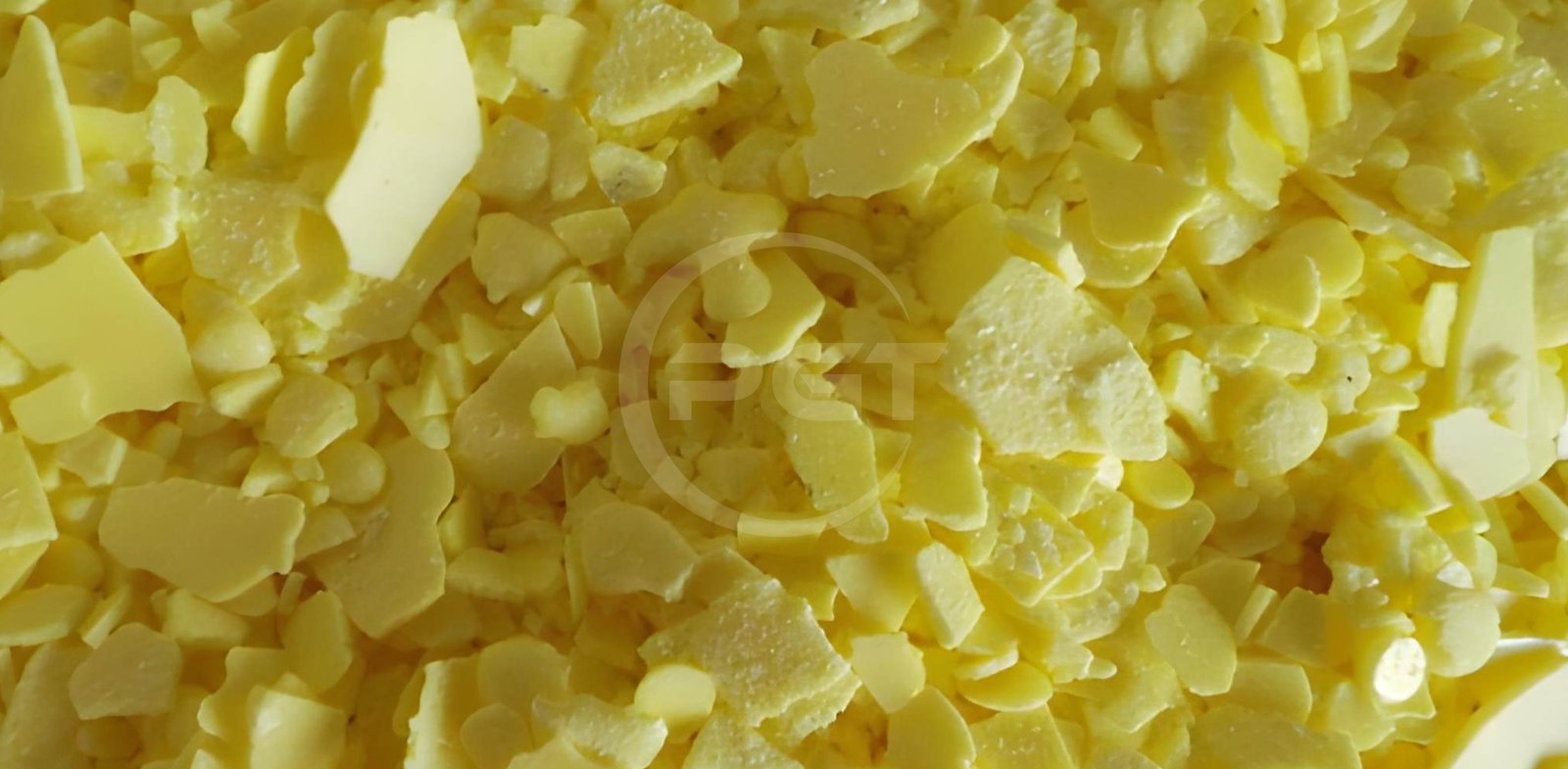
In the world of bulk commodities, few materials are as instantly recognizable—or as chemically vital—as Lump Sulphur. With its distinct bright yellow hue and characteristic elemental odor, sulphur is often referred to in historical texts as “brimstone.”
Today, however, it is anything but ancient history.
Lump sulphur sits quietly at the heart of modern industrial civilization. It is a fundamental building block element ($S$) that acts as a primary catalyst, reagent, and structural component for massive global markets. From accelerating agricultural yields to hardening automotive rubber, keeping a secure line of imported high-purity sulphur running into processing plants is an absolute operational necessity for domestic manufacturers.
In this comprehensive guide, we unpack the primary industrial applications of lump sulphur, look at critical quality metrics, and outline strategic sourcing protocols for procurement teams.
The Chemistry of the Sourcing Market: What is Lump Sulphur?
Commercial lump sulphur is elemental sulphur in its solid, macro-crystalline form. The vast majority of modern industrial sulphur is recovered as an essential byproduct of petroleum refining and natural gas processing.
By extracting sulphur compounds out of crude oil and gas streams, environmental regulations are satisfied, and global industry is provided with an exceptionally pure, high-grade commodity.
When evaluating bulk shipments of lump sulphur, procurement officers focus on one critical baseline metric: Purity. To prevent chemical contamination or unworkable side reactions in processing vats, industrial-grade lump sulphur must typically boast an elemental purity of 99.5% or higher.
Three Pillars of Demand: Where Lump Sulphur is Vital
While sulphur finds its way into thousands of niche manufacturing applications, the global market is anchored by three massive, high-volume sectors:
1. The Engine of Chemical Synthesis: Sulfuric Acid
Roughly 85% to 90% of all recovered elemental sulphur is intentionally burned and converted into Sulfuric Acid ($\text{H}_2\text{SO}_4$).
Sulfuric acid is widely considered the ultimate barometer of a country’s industrial strength because it is used in almost every manufacturing process imaginable. It is the primary chemical used to leach copper, process nickel for electric vehicle batteries, clean sheet metal, and manufacture industrial dyes, pigments, and synthetic fibers.
2. Agriculture and Crop Nutrition
Plants cannot grow without sulphur; it is considered the “fourth major nutrient” right alongside nitrogen, phosphorus, and potassium.
[Raw Lump Sulphur] ➔ [Processed into Sulfuric Acid] ➔ [Acidulates Rock Phosphate] ➔ [Produces Soluble SSP/TSP Fertilizers]
Lump sulphur is heavily imported by agricultural chemical plants to create phosphoric and sulfuric acids. These acids are then reacted with raw minerals to produce high-analysis fertilizers like Single Superphosphate (SSP), Triple Superphosphate (TSP), and Ammonium Sulfate. Without a steady intake of sulphur, agricultural yield targets cannot be met.
3. The Rubber & Automotive Connection: Vulcanization
Indonesia is a global epicenter for natural rubber production and tire assembly. However, raw rubber is highly sticky, unstable, and easily deformed.
To give rubber its mechanical strength and elasticity, it undergoes vulcanization—a process where raw rubber is heated alongside elemental sulfur. The sulfur atoms form strong chemical cross-links between the polymer chains, transforming the soft compound into a durable, heat-resistant rubber capable of handling heavy-duty automotive and machinery demands.
Vetting Your Shipments: Critical Procurement Benchmarks
Because sulphur is moved in massive bulk quantities, purchasing teams must analyze physical parameters alongside chemical charts to ensure trouble-free processing.
- Purity (Dry Basis): A minimum standard of 99.5% to 99.9% purity ensures no unwanted carbonaceous or mineral ash remains after processing.
- Moisture Content: Ideally kept under 0.5%. Excess moisture increases shipping weight unnecessarily and, more critically, can react with sulfur to form trace acids that corrode bulk shipping holds and storage hoppers.
- Ash and Organic Matter: Kept to absolute minimum fractions (typically $< 0.05\%$) to prevent clogs in chemical burner nozzles during acid production.
Secure Your Sourcing Pipeline into Indonesia
For heavy industries, fertilizer plants, and rubber manufacturers across Indonesia, supply chain continuity is everything. Because lump sulphur is transported across major maritime lanes, managing shipping schedules, preventing moisture intrusion, and navigating customs clearance smoothly requires an experienced trade partner.
At PT Prime Global Trading, we specialize in managing the rigorous end-to-end import logistics necessary to deliver premium high-purity Lump Sulphur directly to industrial manufacturing ports across the Indonesian archipelago.
We work hand-in-hand with top global suppliers, guarantee comprehensive Certificate of Analysis (COA) compliance, and coordinate independent pre-shipment quality verifications via SGS or Sucofindo so that your material arrives exactly as specified.
Ready to Lock In Your Next Material Allocation?
Let us protect your manufacturing lines from market volatility. Contact our international trade desk today to discuss your plant’s volume requirements, specify your grain/lump dimensions, or request a competitive commercial quote.
We have now built out comprehensive technical blog assets for your entire Import Portfolio (Rock Phosphate, Xanthan Gum, STPP, Carbon Black, and Lump Sulphur)!